 MENUBEFORE & AFTERPATIENT REVIEWSMENUBEFORE & AFTERPATIENT REVIEWS
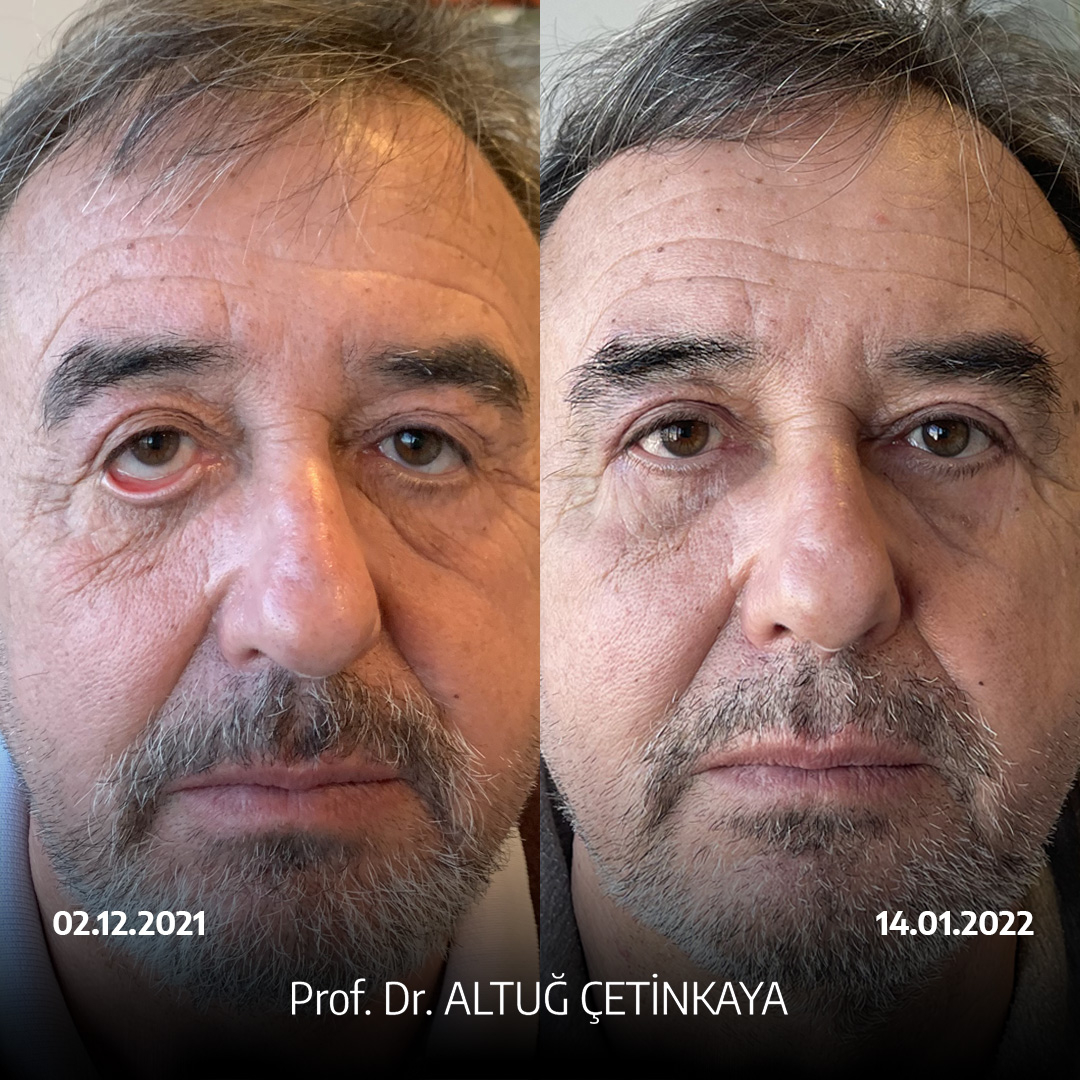 Revision Eyelid Surgery with Simultaneous Functional and Structural Restoration
This patient had undergone upper and lower eyelid blepharoplasty 10 years earlier. Three years ago, revision surgery was performed elsewhere due to recurrent eyelid deformity. However, the lower eyelids developed recurrent sagging again within a short period of time.
On examination, there was lower eyelid laxity and descent, along with brow drooping and upper eyelid ptosis, all contributing to both functional and aesthetic concerns.
A comprehensive revision procedure was performed in a single session, including brow lift, ptosis repair, and revision lower eyelid blepharoplasty combined with canthoplasty and SOOF (sub-orbicularis oculi fat) lift to restore proper eyelid support and midface structure.
This integrated approach allowed restoration of eyelid stability, improved eyelid position, and a more natural, balanced appearance while addressing both functional and aesthetic components.
Revision eyelid surgery requires careful analysis of prior surgical changes, precise anatomical reconstruction, and individualized planning to achieve stable and natural results.
No two patients are alike. Outcomes always depend on the condition of the tissues, prior surgical damage, and individual healing capacity. The goal is always the same: restore protection, restore function, and restore natural harmony.
▶ Results may vary from person to person for any surgical or interventional procedure. It is recommended that you consult your physician for detailed information before the procedure.
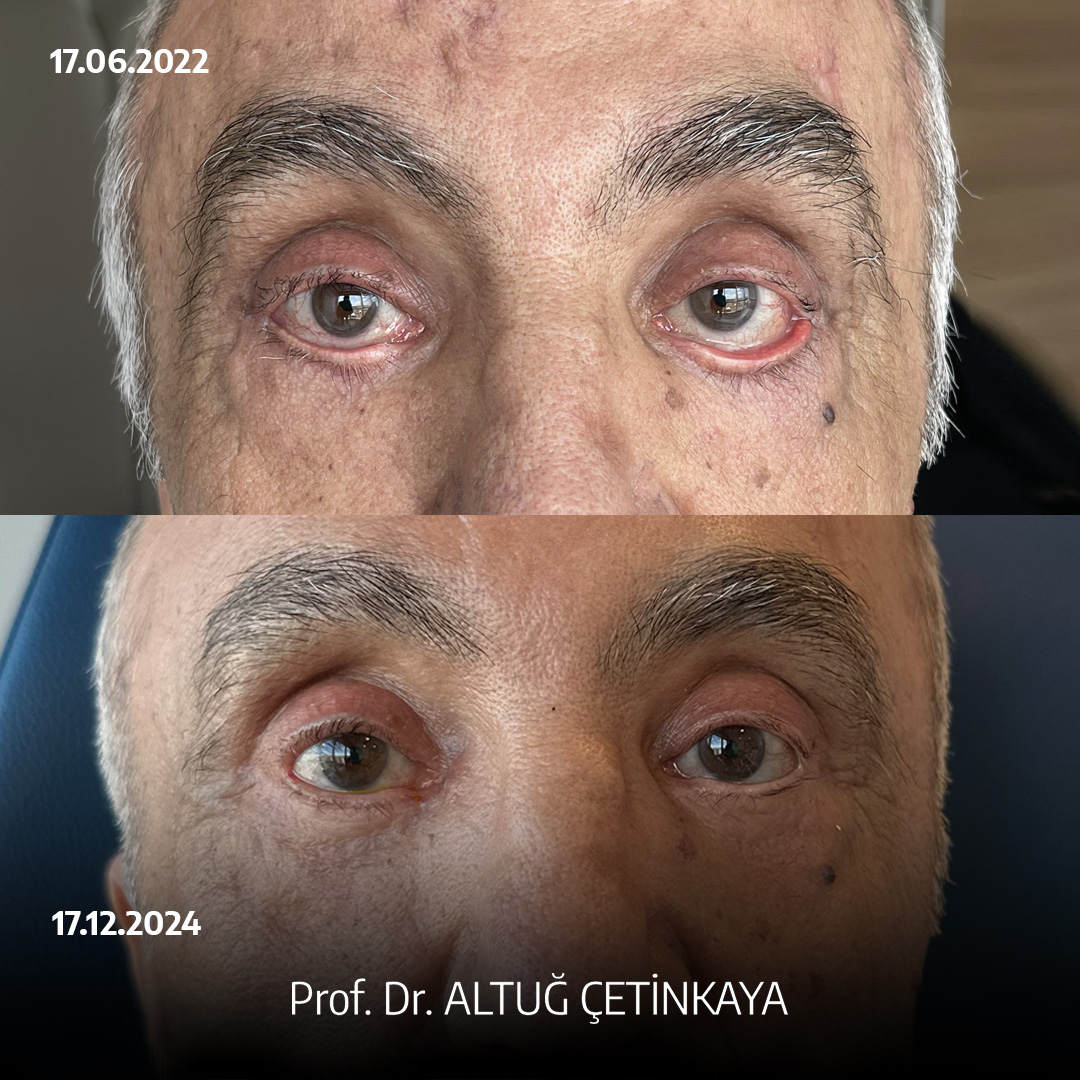 Complex Revision Surgery After Multiple Failed Eyelid Procedures
This 68-year-old patient had undergone upper & lower eyelid surgeries and a forehead lift performed elsewhere. Due to inability to close his eyes, he required revision surgery only 1.5 months after the initial procedure. Despite these attempts, he presented with severe ocular surface discomfort, visual disturbance, redness, and functional impairment.
Examination revealed a 5 mm gap in eyelid closure on both sides (severe lagophthalmos),dense corneal thinning and scarring in the lower cornea, persistent lower eyelid fat bulging, scleral show, and clear signs of nerve damage and muscular weakness in the eyelid and cheek regions.
Reconstructive surgery involved skin grafting from behind the ear for optimal tissue match, advanced midface lifting to restore structural support, and revision transpositional lower blepharoplasty to correct contour abnormalities. During healing, wound-modulating treatments including PRP and regenerative mesotherapy were used to improve tissue quality and scar remodeling, including the forehead scars.
Following recovery, the patient achieved complete eyelid closure, resolution of ocular surface symptoms, restoration of natural eyelid position, and excellent integration of the skin graft with natural appearance.
Each revision case is unique, and no two patients are the same. Outcomes depend not only on surgical technique but also on the condition of the tissues and their healing capacity. In patients with prior surgeries, scarring, and nerve damage, tissue healing may be limited, and individual results may vary.
▶ Results may vary from person to person for any surgical or interventional procedure. It is recommended that you consult your physician for detailed information before the procedure.
 Revision Surgery After Multiple Failed Eyelid Procedures
This 66-year-old patient had previously undergone upper and lower eyelid surgery combined with a facelift elsewhere. She developed severe complications and underwent four additional revision attempts without improvement.
Her examination showed severe inability to close the eyes, significant lower scleral show, deficiency of lower eyelid skin and muscle support, inadequate upper eyelid skin reserve, and severely distorted eyelid corners. These problems were causing serious ocular surface damage and required advanced reconstructive surgery.
In revision cases like this, prior surgery may also cause nerve damage. When nerve function is compromised, it is not always possible to achieve 100% restoration. The primary goal is to protect the eye, improve eyelid closure, and restore the most natural function and appearance possible.
Because traditional skin graft donor sites were already affected by previous procedures, skin grafts were taken from the supraclavicular (clavicular) area. While skin from this region is slightly thicker than the ideal eyelid skin, it provides reliable tissue quality and heals well. With proper surgical technique and healing, it integrates successfully and achieves a natural and acceptable appearance.
The patient achieved significantly improved eyelid closure, resolution of ocular surface problems, and a substantial functional and aesthetic improvement.
▶ Results may vary from person to person for any surgical or interventional procedure. It is recommended that you consult your physician for detailed information before the procedure.
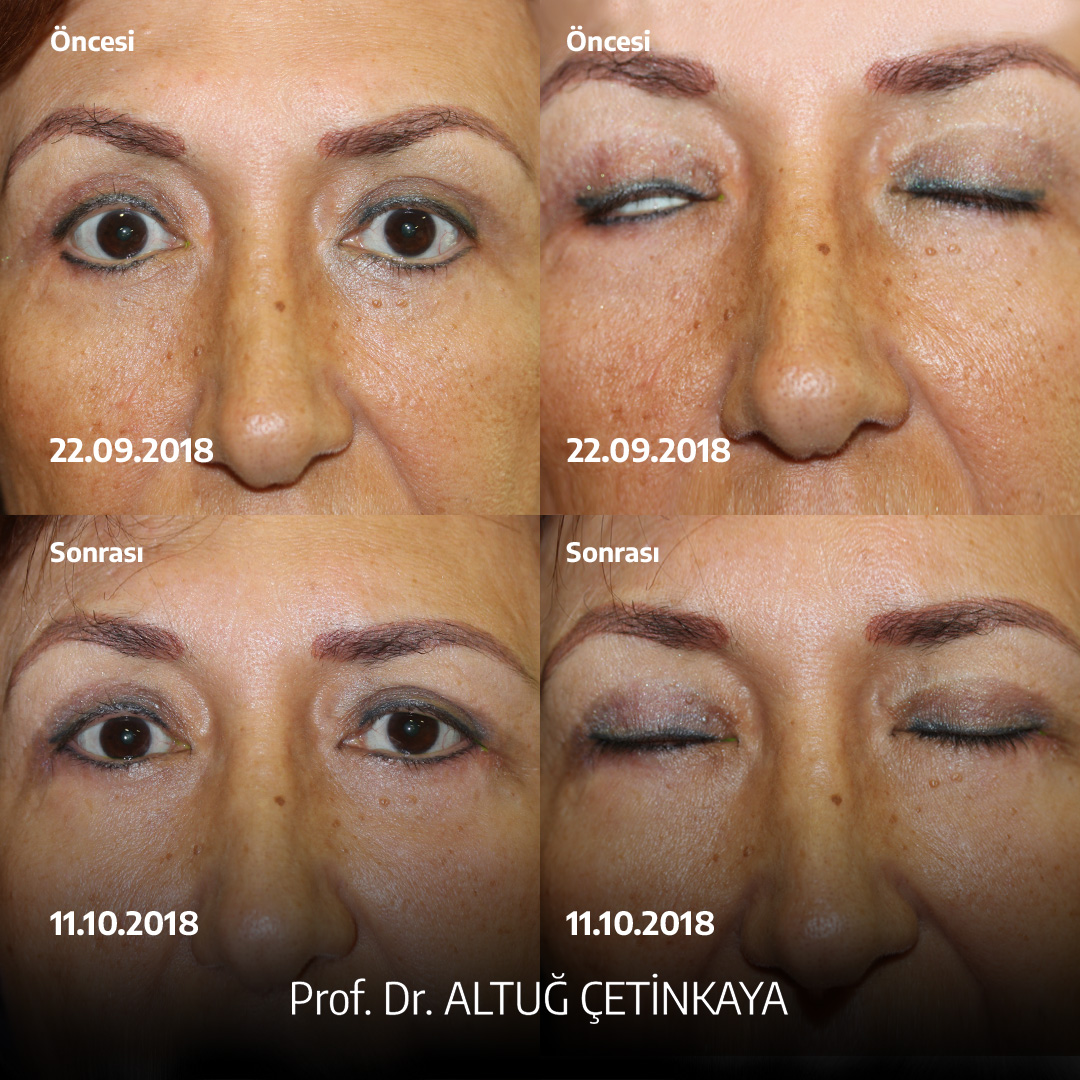 Revision Surgery for Lower Eyelid Retraction
The patient presented with significant lower eyelid retraction, more pronounced on the right side, 8 months after upper and lower eyelid surgeries performed elsewhere.
She experienced severe ocular surface problems, including dry eye symptoms and incomplete eyelid closure of the right eye, leading to functional discomfort.
Revision surgery was performed using Prof. Dr. Altuğ Çetinkaya’s personalized surgical approach, which included meticulous scar release, midface lift, and modified canthoplasty to restore eyelid position, improve ocular surface protection, and achieve facial symmetry.
The postoperative photograph was taken 3 weeks after correction surgery.
▶ Results may vary from person to person for any surgical or interventional procedure. It is recommended that you consult your physician for detailed information before the procedure.
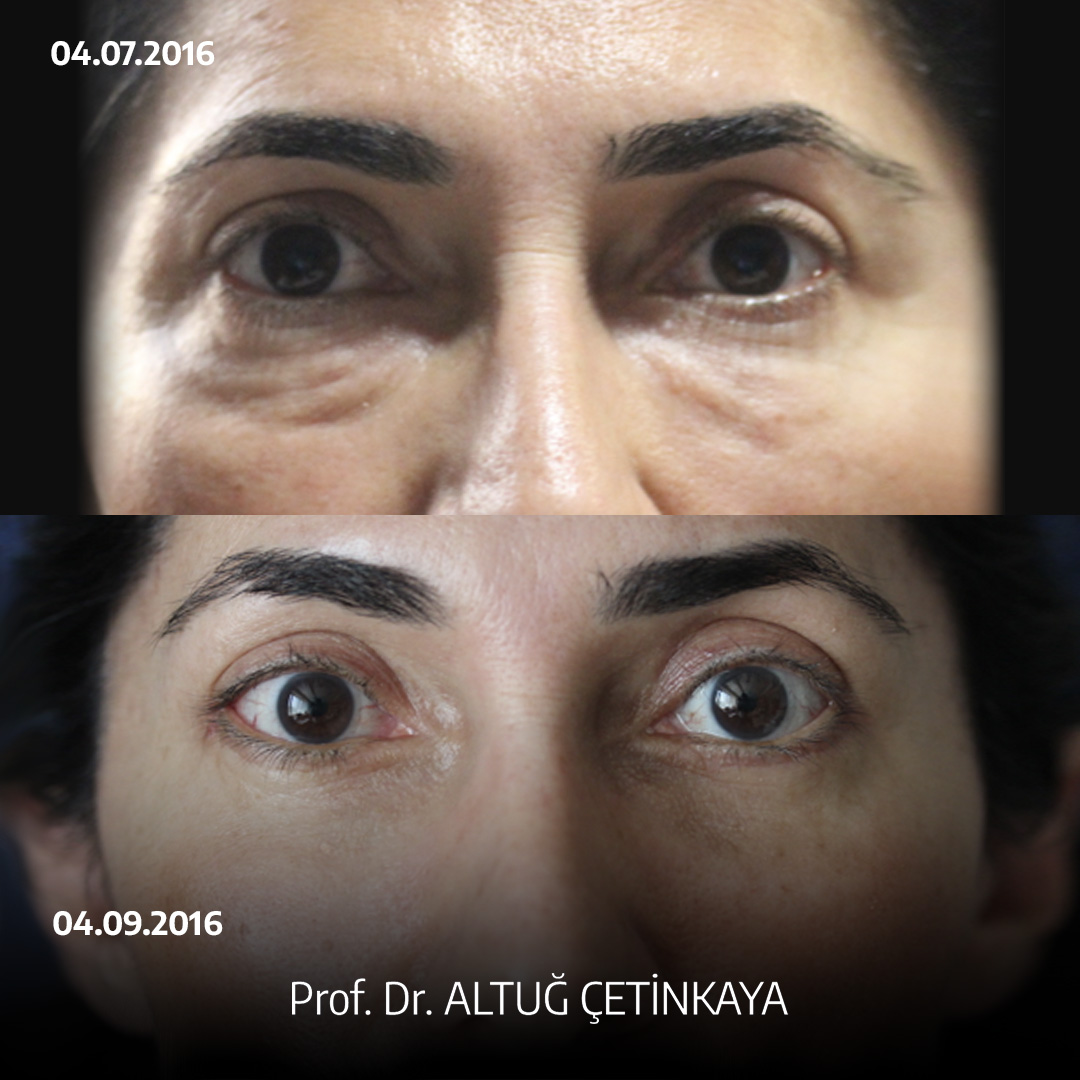 Correction of Lower Eyelid Fat Graft Irregularities
This young female patient presented with sausage-like bulging of the lower eyelids one year after fat grafting to the lower eyelids performed elsewhere. These irregularities resulted in an unnatural contour and aesthetic dissatisfaction.
During revision surgery, the problematic fat grafts were carefully removed without damaging the surrounding tissues. The native orbital fat was then gently transposed to the cheek, and a midface lift was performed to restore smooth eyelid–cheek continuity and achieve a more natural, harmonious appearance.
The postoperative result demonstrates improved contour, symmetry, and midface support.
▶ Results may vary from person to person for any surgical or interventional procedure. It is recommended that you consult your physician for detailed information before the procedure.
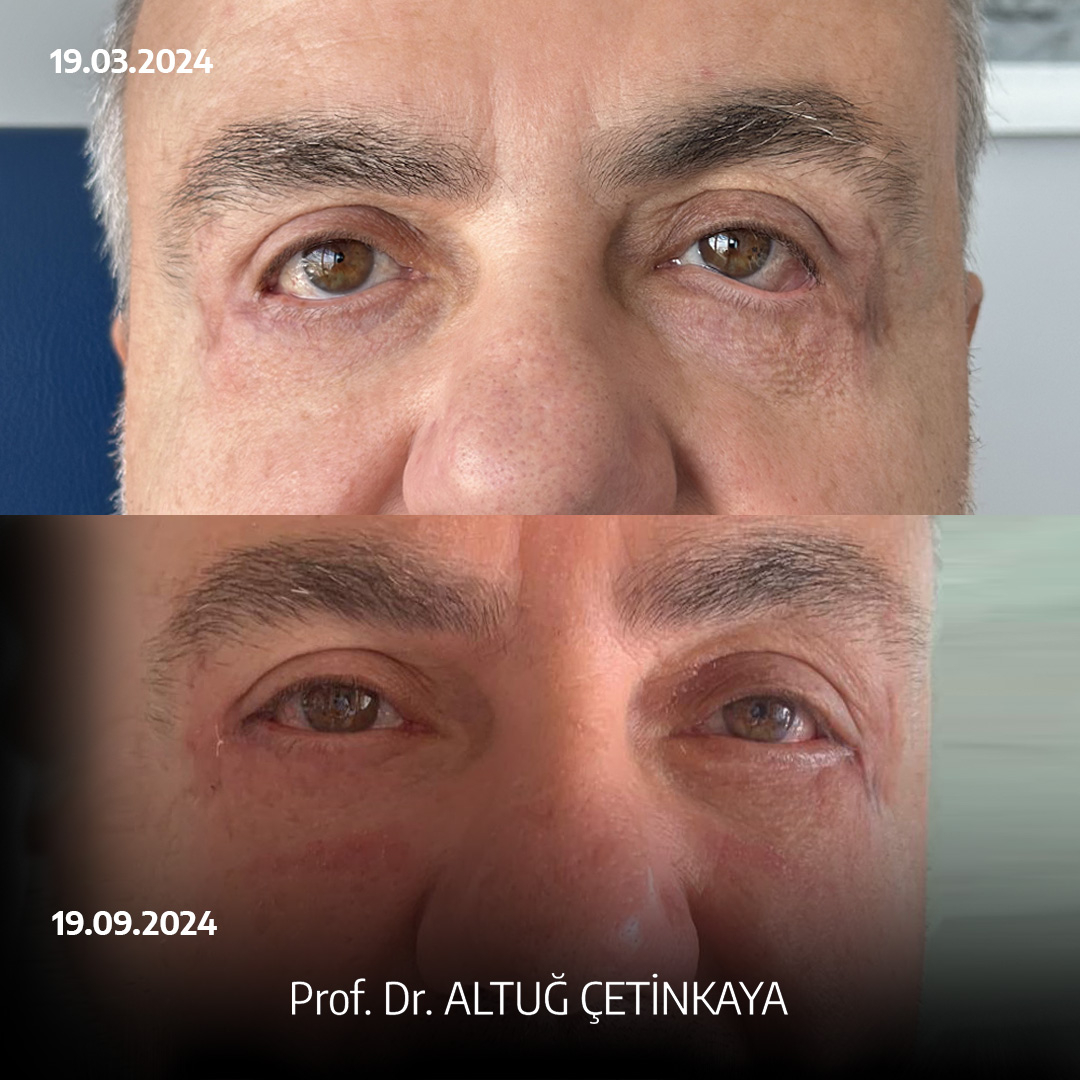 Advanced Revision Surgery After Multiple Failed Lower Eyelid Procedures
This patient had previously undergone lower eyelid blepharoplasty, followed by four additional revision attempts by the same surgeon due to persistent deformity. In the final attempt, filler injections were used in an effort to elevate the lower eyelids.
However, the patient developed severe functional and structural complications, including inability to fully close the eyes, significant lower eyelid sagging and outward turning (ectropion),persistent fat bulging, and marked scar irregularities with discoloration along the eyelid margins.
Treatment required a staged and carefully planned approach. First, the previously injected fillers were dissolved. This was followed by a series of scar-modulating injections to soften the dense fibrotic tissue and improve tissue mobility. Once the tissues became more suitable for reconstruction, definitive surgical correction was performed.
Revision surgery included canthoplasty to restore eyelid stability, SOOF (sub-orbicularis oculi fat) lift to reestablish midface support, and careful reshaping and redistribution of the remaining orbital fat to restore natural contour. Using a specialized reconstructive technique, correction was achieved without the need for skin grafting. During the postoperative healing phase, regenerative treatments including mesotherapy were performed at regular intervals to support tissue recovery and optimize scar quality.
This comprehensive approach restored improved eyelid position, better eyelid closure, and a more natural and stable functional and aesthetic outcome.
Revision eyelid surgery in such complex cases requires advanced anatomical expertise, meticulous technique, and careful management of tissue healing.
Despite the best surgical planning and appropriate interventions, tissues that have undergone multiple prior surgeries may have limited healing capacity due to scarring, vascular compromise, and structural damage. Therefore, while significant functional and aesthetic improvement can be achieved, complete restoration may not always be possible.
▶ Results may vary from person to person for any surgical or interventional procedure. It is recommended that you consult your physician for detailed information before the procedure.
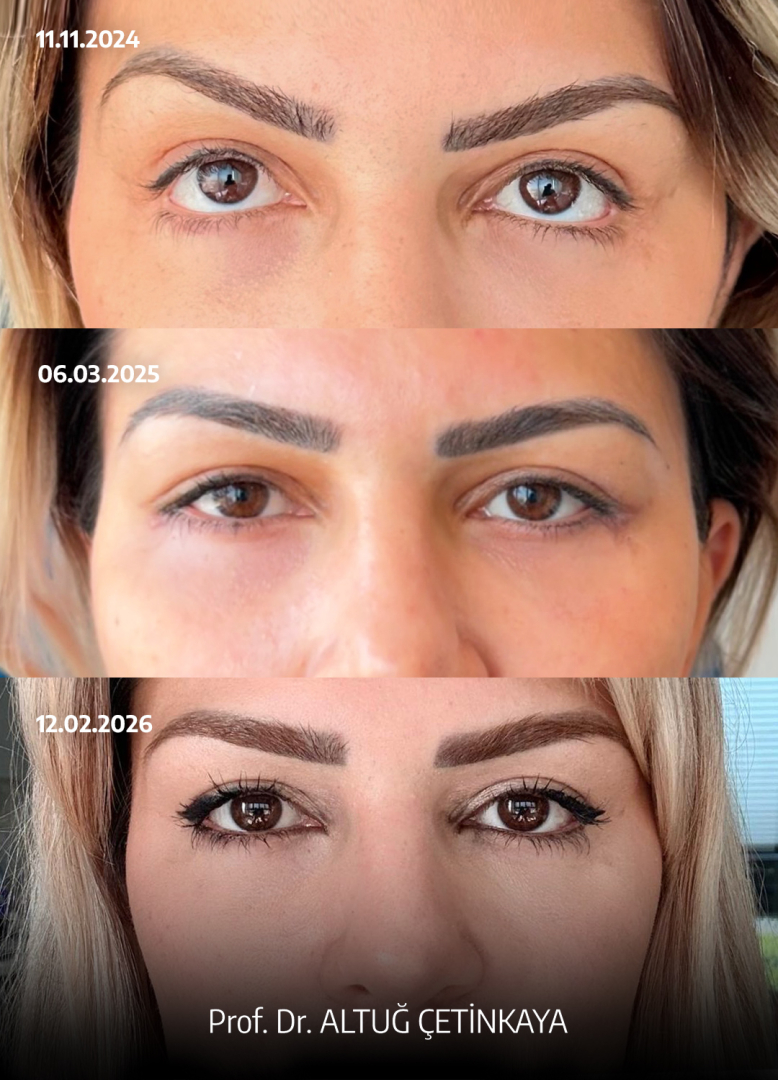 Botched Lower Eyelid Surgery - Corrected
This patient had a previous lower eyelid blepharoplasty elsewhere which caused:
Correction was achieved step by step with:
The result: Improved eyelid function and a more natural appearance. Disclaimer: Educational purposes only. Results may vary. Not medical advice.
▶ Results may vary from person to person for any surgical or interventional procedure. It is recommended that you consult your physician for detailed information before the procedure.
 Altuğ Çetinkaya, MD, FEBOOphthalmologist Turkey
 Türkçe
 English